 Defibrillators
 First Aid Kits
 Training Equipment
 Wound Care
 Pre-Hospital Emergency
 Medical Consumables
Article
Why You Should Rethink Your On-Site First Aid for Critical Injuries
Published 02/03/2026
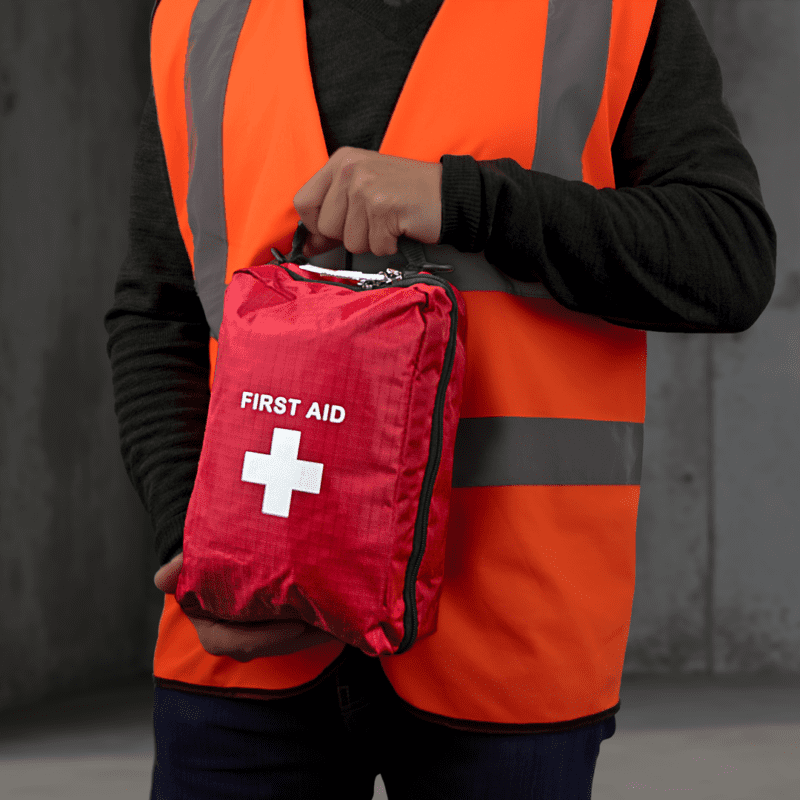
Most workplaces and organisations are well equipped for minor injuries – but serious incidents are a different reality. Data from the Health and Safety Executive (HSE) and injuries reported under RIDDOR continue to show thousands of serious workplace injuries every year across UK industries.
A notable proportion involve:
• Lacerations and open wounds
• Machinery or tool-related trauma
• Incidents where heavy bleeding is a major risk
These events are not extraordinary. They are recurring features of national reporting.
The Hidden Risk: Time
In severe injury situations, the greatest danger is often the delay between injury and effective treatment.
Uncontrolled bleeding can become life-threatening within minutes, frequently before emergency services arrive. Standard workplace first aid kits are not designed for catastrophic bleeding or major trauma.
Even trained first aiders may be limited without appropriate equipment.
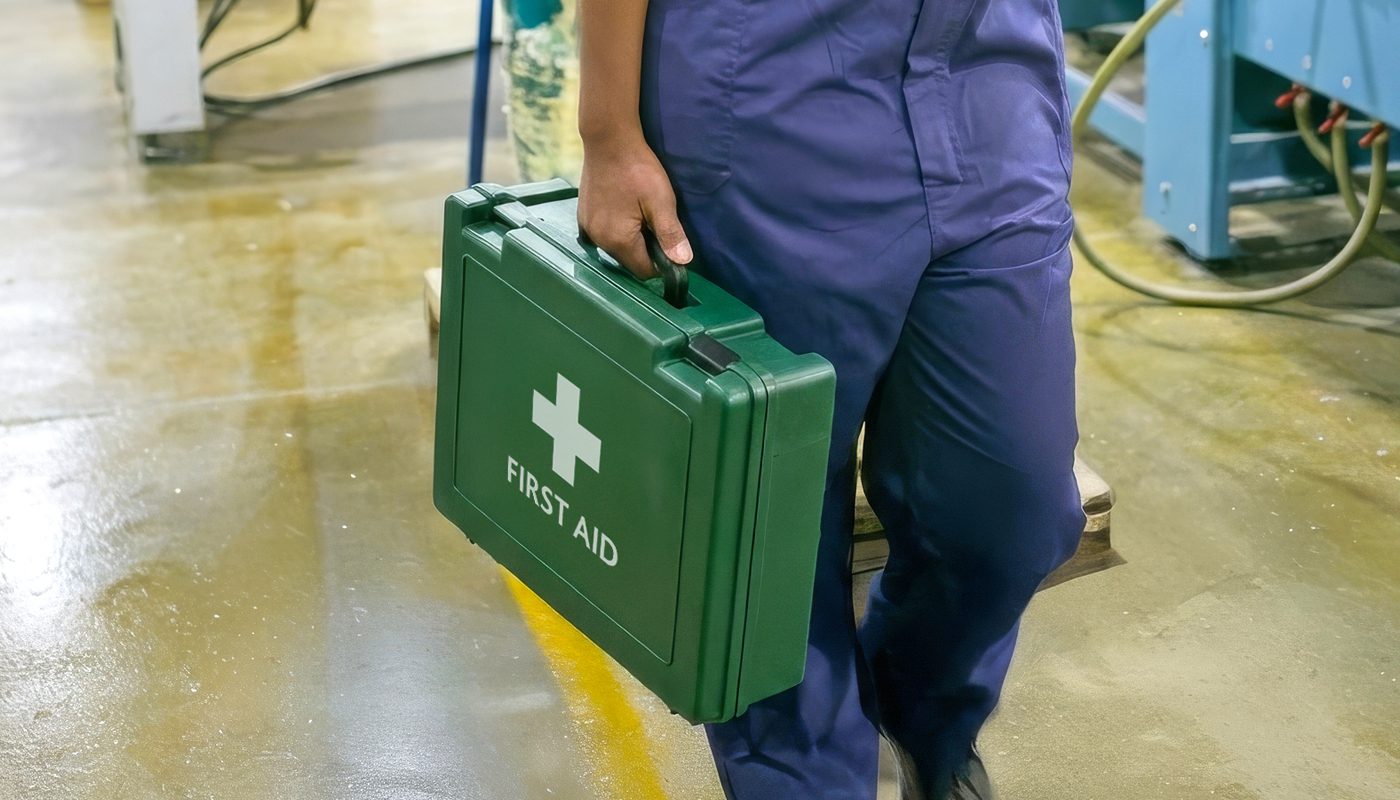
The Limitation of TraditionalFirst Aid Kits
Standard workplace first aid kits are designed primarily for:
✔ Minor cuts✔ Small burns✔ Low-severity incidents
These conventional first aid kits are not suitable for critical bleeding events or large traumatic wounds.
In many serious incidents, the greatest risk is not the injury itself – but the time between injury and effective intervention.
This creates a preparedness gap many organisations overlook.
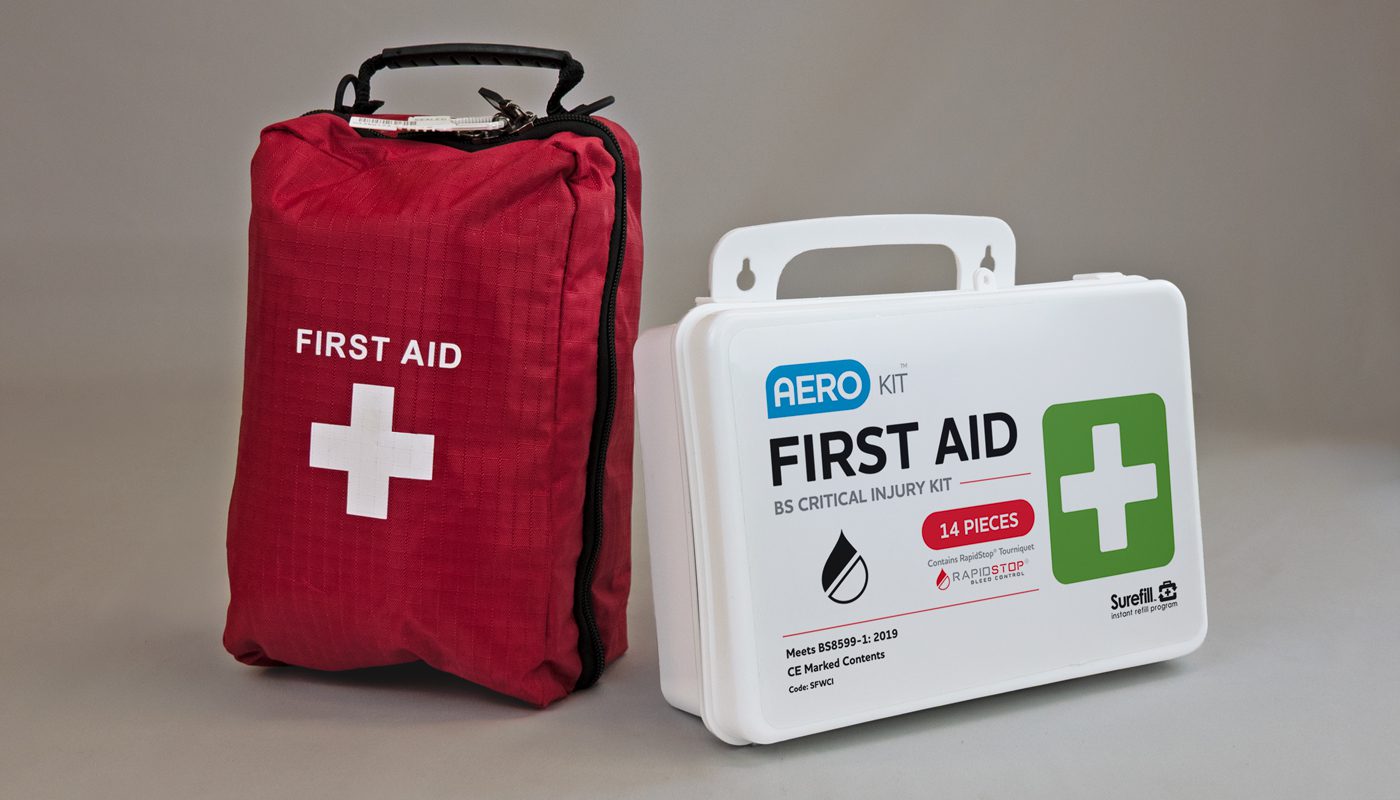
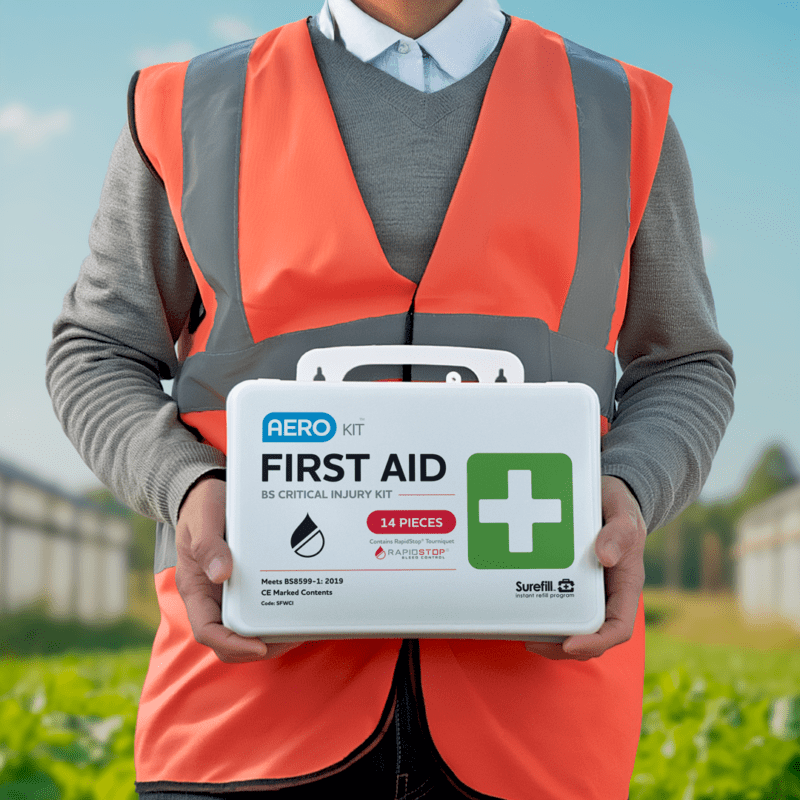
Why Do You Need an AeroKit™ Critical Injury First Aid Kit?
A Critical Injury First Aid Kit complements existing provision by supporting response to high-severity incidents, typically including equipment for:
✔ Severe bleeding control✔ Major wounds✔ Emergency stabilisation
Early intervention can significantly reduce deterioration and improve outcomes.
A Leadership and Duty of Care Consideration
For employers and decision makers, this is more than a routine safety purchase or a tick-box exercise. It is a strategic decision that reflects how seriously an organisation takes risk, responsibility, and resilience. It relates to:
• Duty of care responsibilities
• Risk management and governance
• Workplace resilience
Serious injuries are unpredictable. Preparedness is not.
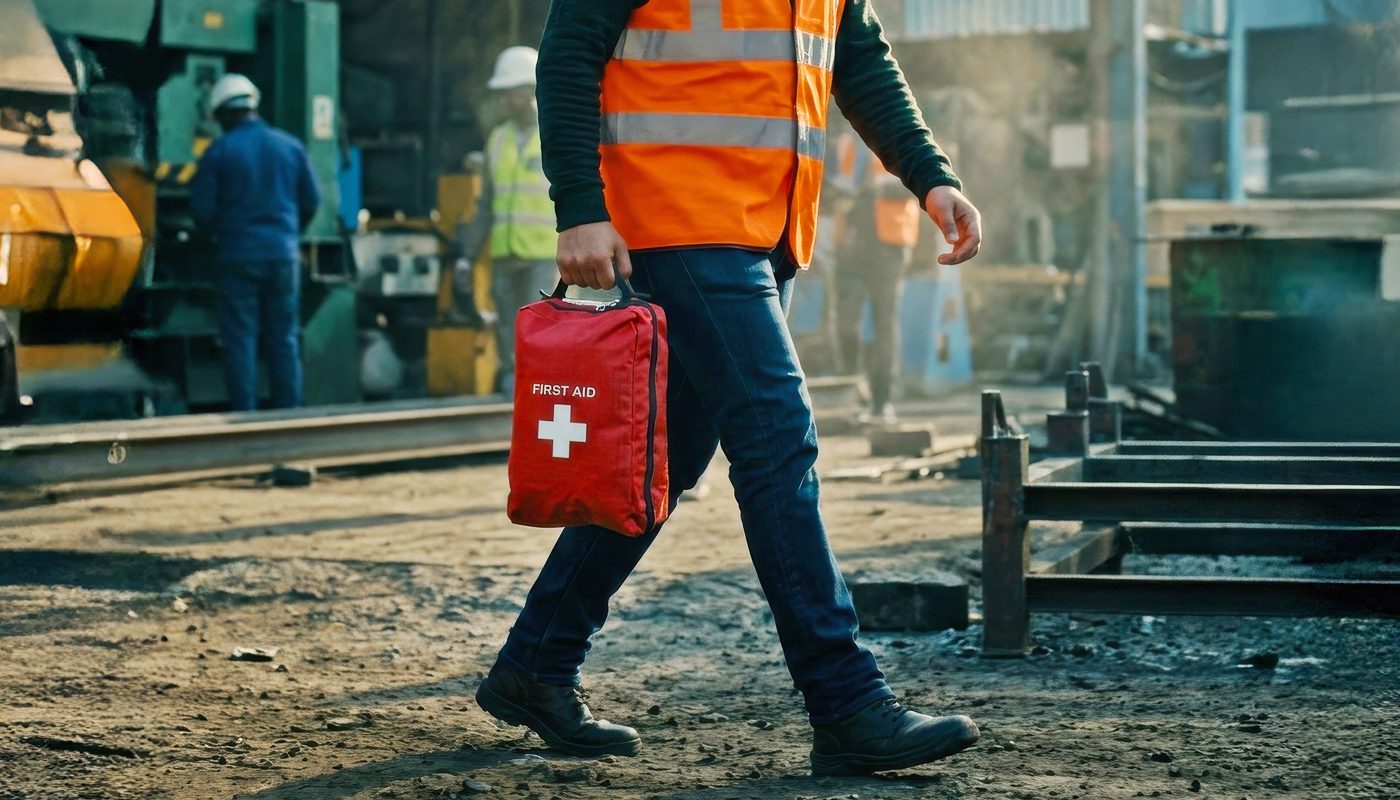
A Simple, High-Impact Safeguard
Adding a Critical Injury First Aid Kit:
✔ Requires minimal operational change✔ Supports first aiders when minutes matter✔ Addresses a common escalation risk
The key question is not “Will a critical injury happen?”
But: “If it did, would we be properly equipped to respond?”
CASE STUDY:
Providing critical injury kits and training for Derbyshire County Council

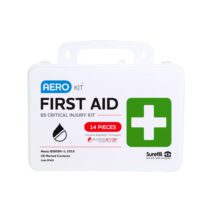
We’re proud to have supported schools in strengthening their emergency preparedness, including the successful rollout of 400 AeroKit™ British Standard Critical Injury Kits to 364 primary schools for Derbyshire County Council.
Alongside supplying these kits on time, practical lifesaving one-to-one training was delivered to ensure staff felt informed, prepared and confident in their response. The training covered how to treat wounds such as junctional injuries to the groin or shoulder as well as:
• When wound packing is appropriate
• How to pack a wound correctly
• Use of haemostatic gauzes
• Securing dressings after wound packing
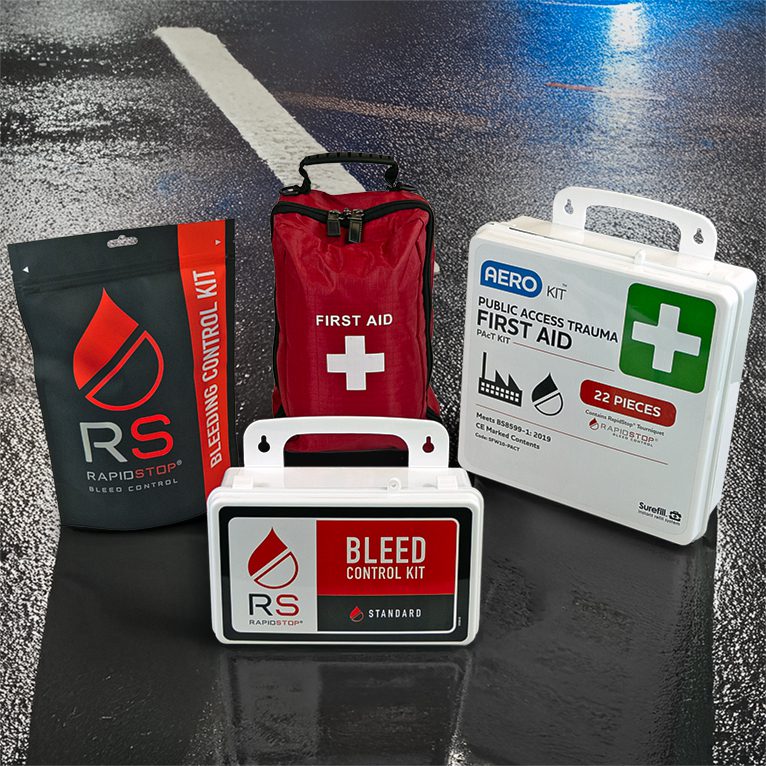
Both our AeroKit™ British Standard Critical Injury Kit and AeroKit™ Public Access Trauma (PAcT) First Aid Kit includes our revolutionary RapidStop® tourniquet, along with trauma dressings and haemostatic dressings. The award-winning RapidStop® Tourniquet utilises key technologies to enable rapid, intuitive, and easy one-handed self-application. It ensures full occlusion quickly and reliably, requiring only gross motor control, making self-application possible even with one hand.
Contact our team to discuss how we can provide critical injury provision for your organisation and the wider local community.

Share this article